Vendor Contract Management for Better Supplier Results
Many organizations still manage supplier records in one tool and contracts in another. That gap makes it harder to track obligations, deadlines, renewals, and supplier performance after signature.
The better approach is to connect vendor management software with vendor contract management in one workflow. When supplier data and contract terms live together, teams make faster decisions and build stronger supplier relationships.
This guide explains how supplier relationship management software and CLM work together. It also shows how automated scorecards, alerts, and dashboards improve supplier performance management at scale.
Why Integrated Vendor Management Matters
Contracts should guide supplier operations
Contracts define pricing, service levels, risk terms, and renewal rules. Vendor management is how those commitments are delivered in the real world.
When the two are managed separately, teams lose visibility. Procurement, legal, finance, and operations all see part of the picture, but not the full supplier relationship.
Disconnected tools create value leakage
A disconnected process often leads to missed reminders, unclear ownership, and poor follow-through on supplier obligations. That is where negotiated value starts to leak away after signature.
Integrated vendor and contract management software closes that gap. It turns contracts into live operational records instead of static documents.
Why this matters for CAMARC users
CAMARC is designed to centralize requests, approvals, execution, tracking, dashboards, and obligation visibility in one platform. The CAMARC SRS also shows support for vendor management, notifications, dashboards, RBAC, and review workflows across the full contract lifecycle.
That model supports stronger supplier relationship management because teams work from one source of truth. Everyone can see active terms, owners, deadlines, and performance signals in the same place.
References: CAMARC Home, WorldCC Contract Management Report, McKinsey Contracting for Performance.
Need one workspace for supplier records, approvals, and contracts? See how CAMARC centralizes vendor and contract workflows.
Explore CAMARCHow Connected Systems Improve Supplier Visibility
One supplier profile, one contract context
Supplier relationship management software works best when every supplier profile links directly to active contracts. That means contact details, risk documents, approvals, obligations, and contract milestones stay connected.
This structure helps teams answer important questions quickly. Which suppliers are strategic, which agreements expire soon, and which obligations are already overdue?
Better data means better decisions
A modern vendor management system should not only store supplier information. It should show how supplier performance, contract status, and compliance history affect the broader business.
That level of visibility is important for enterprise vendor management. As supplier counts grow, manual tracking becomes slower, more expensive, and more error-prone.
Dashboards create operational clarity
Integrated dashboards help procurement monitor delivery, finance monitor invoice accuracy, legal track obligations, and operations review service quality. All of that becomes easier when the platform connects the supplier record to the contract record.
CAMARC’s website highlights this same benefit through centralized dashboards, contract tracking, workflow automation, and CRM-style vendor data inside the platform.
References: CAMARC Home, CAMARC About, CAMARC Contract Management Guide
Want better visibility into suppliers, terms, and renewals? Explore CAMARC’s tracking and dashboard features.
Explore FeaturesHow to Track Supplier Obligations From Start to Renewal
Start with vendor lifecycle management
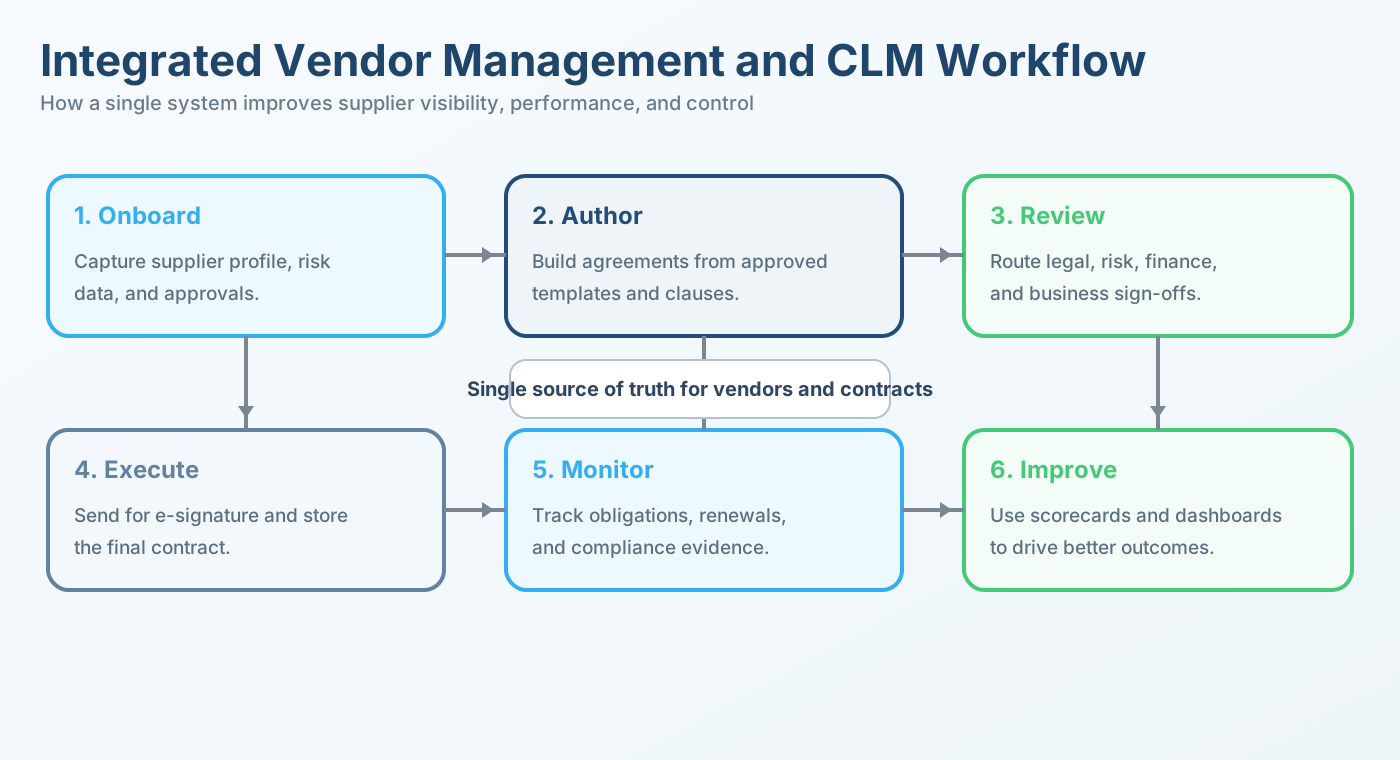
A strong supplier relationship management process starts before the contract is signed. It begins with segmentation, onboarding, risk checks, and approval workflows.
From there, the process should continue through negotiation, execution, monitoring, renewal, and exit. That is the practical meaning of vendor lifecycle management.
Turn legal terms into owner-based tasks
The best supplier management software converts contract language into actions. Insurance checks, notice periods, reporting dates, audit cooperation, and renewal reminders should be assigned to real owners and real deadlines.
This is also where vendor compliance management becomes useful. Teams can see what must be submitted, when it is due, and what happens if it is missed.
Automate the reminders
A capable vendor management system should send reminders before expiry dates and escalate overdue items automatically. That reduces dependency on spreadsheets and memory-based follow-up.
CAMARC supports this style of control through lifecycle stages, notifications, obligation tracking, and workflow automation. That makes it easier to manage supplier relationships that are high value, high volume, or highly regulated.
References: NIGP Supplier Relationship Management Best Practice, CAMARC Contract Lifecycle Guide, CAMARC Home
Need automatic reminders for obligations, renewals, and compliance tasks? See how CAMARC supports lifecycle tracking.
Request a DemoHow to Build Scorecards Tied to Contract Terms
Move from static contracts to live performance tracking
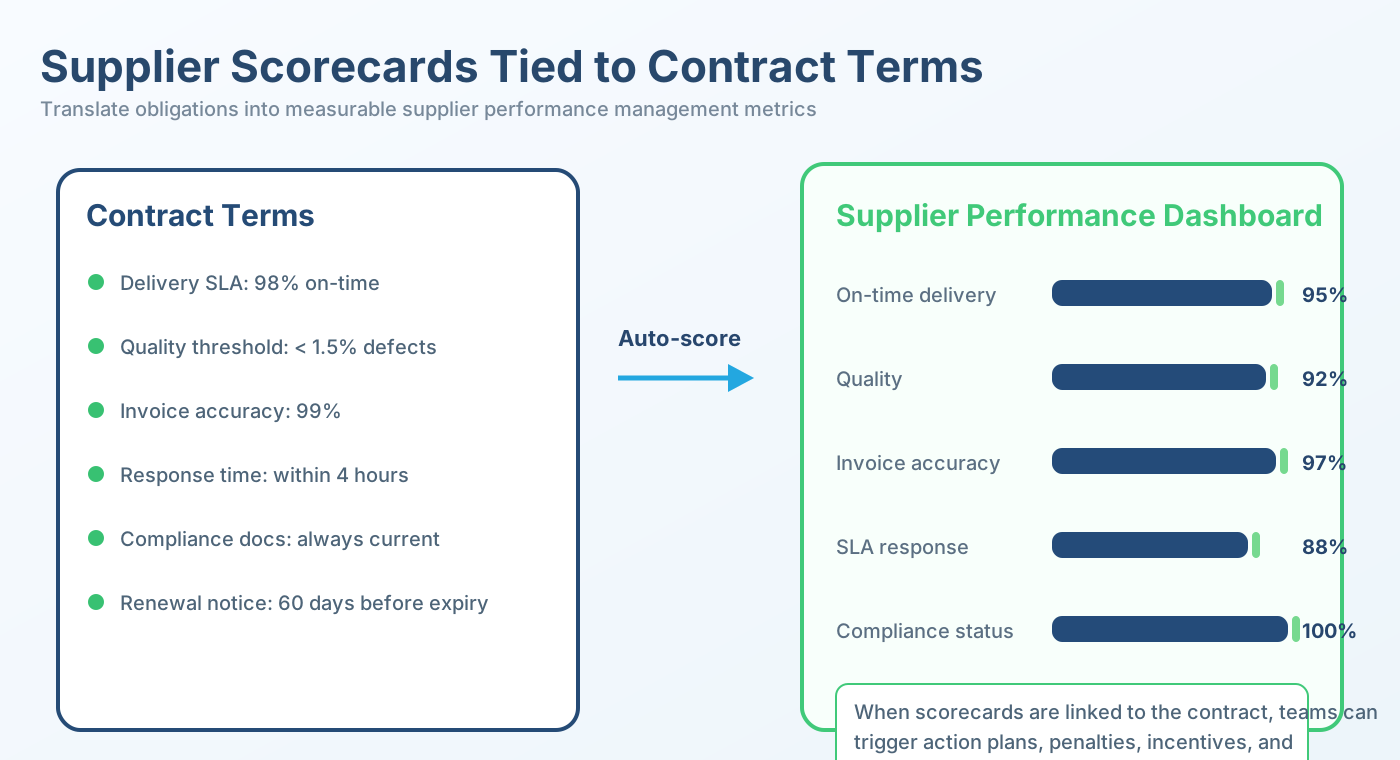
One of the biggest advantages of integrated vendor contract management is the ability to build scorecards directly from contract terms. This removes the need for disconnected spreadsheets and manual quarterly reviews.
If a contract promises on-time delivery, defect limits, SLA response times, invoice accuracy, or reporting cadence, those clauses can become live supplier relationship management metrics.
Use weighted supplier performance management metrics
Not every metric should have the same weight. A facilities supplier may be judged mainly on uptime, response time, and safety. A software vendor may be judged on support quality, security, and compliance.
That is why supplier performance management should reflect the contract, the category, and the business goal. Weighted scorecards create fairer reviews and better supplier conversations.
Make reviews more objective
When scorecards are tied to contract terms, supplier reviews become easier to manage. Procurement, legal, finance, and operations can all use the same facts to assess performance, trigger corrective action, or prepare for renewal.
This turns supplier relationship management into a repeatable process. It also gives leaders stronger supplier relationship management metrics for decision-making.
References: McKinsey Contracting for Performance, CAMARC Contract Management Guide
Want supplier scorecards linked to terms, KPIs, and dashboards? Book a closer look at CAMARC’s reporting capabilities.
Book a Closer LookHow Integrated Workflows Reduce Supplier Risk and Compliance Issues
Vendor risk management must continue after signature
Many organizations assess risk only during onboarding. The stronger model is to keep monitoring risk through the full life of the contract.
That includes expiring insurance, business licenses, cybersecurity evidence, subcontracting rules, pricing disputes, and silent renewals. These issues are easier to catch when supplier and contract data sit in one system.
Vendor compliance management should be continuous
Compliance is not just a checklist at the start of the relationship. Suppliers may need to submit recurring documents, meet SLA commitments, and follow reporting or audit requirements throughout the contract term.
Integrated workflows help teams spot non-compliance early. That protects the business and also creates clearer expectations for the supplier.
Why governance matters
CAMARC’s product context includes role-based access, notifications, document storage, audit trails, dashboards, and e-signature workflows. These controls support better governance without sending teams back to email chains and disconnected folders.
For organizations comparing contract lifecycle management vendors, governance and visibility are not optional. They are critical parts of reliable growth and safer supplier operations.
References: CAMARC Home, CAMARC About, WorldCC Contract Management Report.
What to Look for in Vendor and Contract Management Software
Look for full lifecycle coverage
Some tools focus mainly on onboarding. Others focus mainly on authoring or signature. The stronger choice is software that connects supplier management software with CLM in one practical workflow.
That means the platform should support onboarding, approvals, authoring, obligation tracking, scorecards, renewals, dashboards, and audit history.
Look for scalability and usability
Organizations evaluating contract lifecycle management vendors should also look at usability. If the system is hard to configure or too manual to maintain, adoption will suffer.
The same applies when comparing contract lifecycle management software vendors and contract management vendors. Strong functionality matters, but so does day-to-day practicality for procurement, legal, finance, and operations.
Look for a shared system of record
As supplier counts rise, duplicate records and disconnected workflows create cost and confusion. That is why enterprise vendor management works best with a coordinated system of record for suppliers, contracts, risk controls, and performance data.
CAMARC’s platform positioning reflects this need through workflow automation, collaboration, obligation tracking, dashboards, and secure governance in one workspace.
References: CAMARC Home, CAMARC About, CAMARC Guides
Business Value for Key Decision Makers
For leadership teams
Integrated vendor contract management helps leaders protect negotiated value after signature. It reduces missed obligations, improves service consistency, and supports cleaner renewal decisions.
In simple terms, this means fewer surprises and better visibility into whether suppliers are delivering what the business paid for.
For procurement, legal, finance, and operations
Procurement teams get a clearer supplier relationship management process. Legal and risk teams get stronger control over obligations, approvals, and evidence.
Finance and operations teams get better visibility into performance, invoice quality, compliance, and service delivery. That makes growth easier to manage as the supplier base expands.
References: WorldCC Contract Management Report, CAMARC About
Vendor and Supplier Contract Management for Property Management Teams
Commercial real estate portfolios add a specific twist to vendor contract management: every property carries its own roster of landscaping, janitorial, security, and maintenance vendors, each with insurance certificates and service-level terms that need continuous monitoring.
Applying the same scorecard and obligation-tracking approach described above to a property portfolio means:
- Certificate of Insurance (COI) monitoring across every vendor and every property, with automated alerts before coverage lapses.
- Per-property scorecards so a regional manager can compare the same vendor's performance across multiple sites.
- Renewal visibility for recurring service contracts so property managers are never negotiating a landscaping or janitorial renewal under time pressure.
For a broader view of how CLM supports commercial real estate teams end to end, see the CLM buyer's guide for commercial real estate teams, and for the procurement workflow side of supplier contracts, see managing supplier contracts in procurement.
Frequently Asked Questions
Q: What is vendor contract management?
Vendor contract management is the process of creating, approving, executing, tracking, and renewing supplier contracts while linking those agreements to supplier records, obligations, and performance.
Q: How does supplier relationship management software improve supplier performance?
It improves visibility into obligations, reviews, and communication. When connected to CLM, it can automate scorecards, reminders, and corrective actions based on real contract terms.
Q: Which supplier relationship management metrics matter most?
The most useful metrics depend on the supplier and contract. Common examples include on-time delivery, quality, invoice accuracy, SLA response, compliance status, and renewal readiness.
Q: What is the difference between a vendor management system and a CLM platform?
A vendor management system focuses on supplier data, onboarding, and records. A CLM platform focuses on the contract lifecycle. Combined, they create stronger vendor and contract management software.
Q: How should buyers compare contract lifecycle management vendors?
Buyers should compare workflow flexibility, obligation tracking, scorecards, dashboards, integrations, security, and usability. For enterprise vendor management, supplier lifecycle support also matters.
Reference: CAMARC Guides, CAMARC CLM Guide
Conclusion and Calls to Action
Organizations get better supplier outcomes when they manage vendors and contracts as one connected process. Linking obligations, scorecards, renewals, and compliance data creates stronger supplier relationships with less manual effort.
In short, the best vendor management software keeps working long after signature. That is where supplier performance, compliance, and business value are actually delivered.
- Request a demo: see how CAMARC can connect vendor records, approvals, and contract workflows in one secure workspace.
- Explore the CLM guide: read CAMARC’s practical guide to contract lifecycle management and the stages that matter most.
- Review platform features: discover CAMARC’s dashboards, obligation tracking, audit trails, and collaboration tools.
- Talk to the CAMARC team: discuss how to automate supplier scorecards, obligation tracking, and enterprise vendor management.